WHY-01
Why corrosion protection
Hydrocarbons, water, CO₂, H₂S, and soil electrolytes attack carbon steel continuously. Protection is specified when remaining wall, inspection intervals, or failure consequence make bare steel unacceptable.
Specified. Qualified. Installed.
Internal lining, external protection, and composite systems engineered for oil & gas and electricity infrastructure — documented to the standard of a controlled drawing package.
EGPC REGISTERED · 6,000 m² FACILITY · API Q1 · ISO 9001 / 14001 / 45001
Engineering Basis
Corrosion is not a surface cosmetic issue. It is a progressive loss of wall thickness, pressure integrity, and service life. The systems below are selected to interrupt that mechanism — not to decorate assets.
WHY-01
Hydrocarbons, water, CO₂, H₂S, and soil electrolytes attack carbon steel continuously. Protection is specified when remaining wall, inspection intervals, or failure consequence make bare steel unacceptable.
WHY-02
Internal lining separates the process fluid from the host pipe. Geometry of the steel remains; the chemical exposure path is blocked. Preferable when replacement diameter, route, or land rights make new pipe impractical.
WHY-03
Glass-reinforced epoxy provides a continuous, high-chemical-resistance barrier with controlled thickness and mechanical interlock (C-ring). Selected where sour service, water injection, or long inspection cycles demand a durable liner system — typically to API 15CLT practice.
WHY-04
Reinforced thermoplastic pipe is chosen for corrosion-immune flowlines within its pressure/temperature envelope — reducing steel corrosion risk where spoolable or composite construction fits the hydraulic design.
Company Title Block
Drawing Title
Corrosion Control & Pipe Integrity Services
Founded
2005
Registration
EGPC — Egyptian General Petroleum Corporation
Facility
6,000 m² dedicated corrosion control facility
Operating Regions
Egypt · Iraq · KSA · UAE · Africa
Core Discipline
Oil & gas pipeline integrity · Electricity infrastructure protection
Field Capability
Qualified installation crews · Drift inspection · Make-up supervision
Systems Index
Internal corrosion barrier for oil & gas pipelines. API 15CLT qualified systems with field-proven installation.
Multi-layer tape systems for buried and exposed pipeline external corrosion protection.
Fusion-bonded epoxy, liquid epoxy, and specialty coatings for structural and pipeline assets.
High-density polyethylene lining for water injection, chemical transport, and utility pipelines.
Reinforced thermoplastic pipe for high-pressure corrosion-resistant flowlines and gathering systems.
Room-temperature vulcanizing silicone coatings for electrical insulator pollution flashover protection.
Operating Envelope
Nominal Diameter
DN40 — DN200
Pressure Rating
0.6 — 32 MPa
Temperature Range
−40 — 110 °C
Design Life Basis
Per manufacturer envelope · project-specific
Flagship System
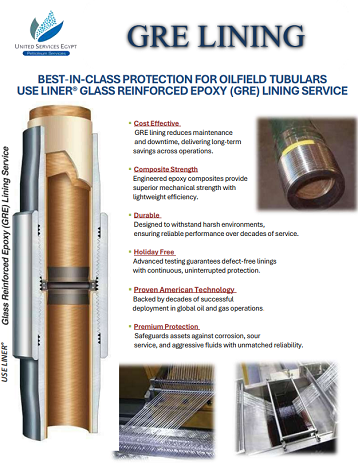
Layer 01 — Host Pipe
Carbon steel or CRA substrate prepared to Sa 2½ blast profile. Geometry verified before liner insertion. Ovality and wall thickness recorded per joint.
Layer 02 — GRE Liner
Glass-reinforced epoxy liner manufactured to API 15CLT. Provides permanent internal corrosion barrier. Chemical resistance rated for sour service environments.
Layer 03 — C-Ring Lock
Mechanical interlock between liner and host pipe. Prevents axial displacement under thermal cycling and pressure transients. Verified during make-up.
Inspection Protocol
Drift mandrel pass · Holiday detection · End seal verification · Full traceability documentation per joint serial number.
Field Procedure
01
Abrasive blast to Sa 2½. Profile 50–75 µm. Dust test per ISO 8502. Environmental conditions logged.
02
GRE liner positioned with certified insertion rig. Axial alignment verified. C-ring engagement confirmed.
03
Controlled heating cycle per manufacturer spec. Temperature monitored at multiple points. Cure profile recorded.
04
Field joint completion per WPS. Internal weld overlay where specified. NDT per project requirements.
05
Mandrel drift pass. Holiday test. End seal inspection. As-built documentation issued with traceability pack.
Quality Assurance
API Q1
Quality Management — Petroleum Industry
ISO 9001
Quality Management · DNV Certified
ISO 14001
Environmental Management System
ISO 45001
Occupational Health & Safety
Project Documentation
Representative project formats. Scope, diameter, and service are confirmed per inquiry — figures below illustrate typical documentation structure.
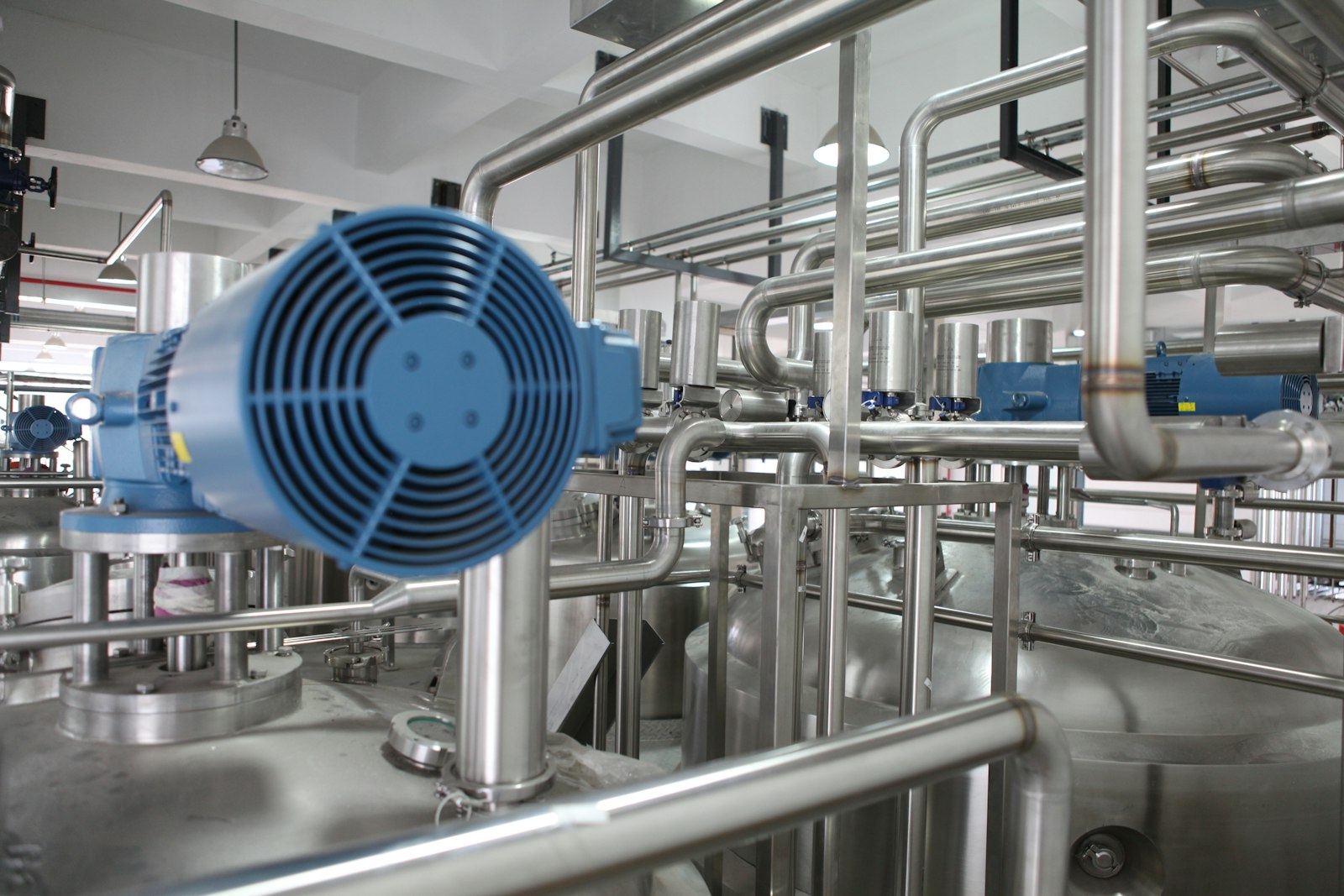
GRE-lined carbon steel for sour-service gathering. Scope covers surface preparation, liner insertion, make-up, and drift verification with joint-level traceability.

Multi-layer tape wrapping for buried transfer lines. Application controlled to ISO 21809 practice with CP interface coordination where specified.
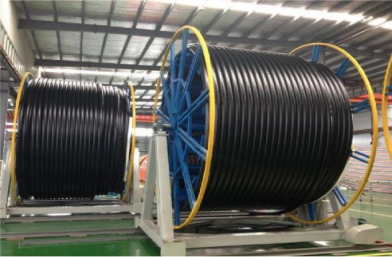
High-pressure RTP within manufacturer design envelope. Selected where steel corrosion history or spoolable construction favoured composite flowlines.
Client Validation




Request for Quotation
Document
Request for Quotation
Project
Corrosion Control System
Prepared By
United Services Egypt
Submit project parameters (service, diameter, pressure, temperature, standards). Engineering responds with a system recommendation and specification scope — typically within two business days.
Open RFQ Form